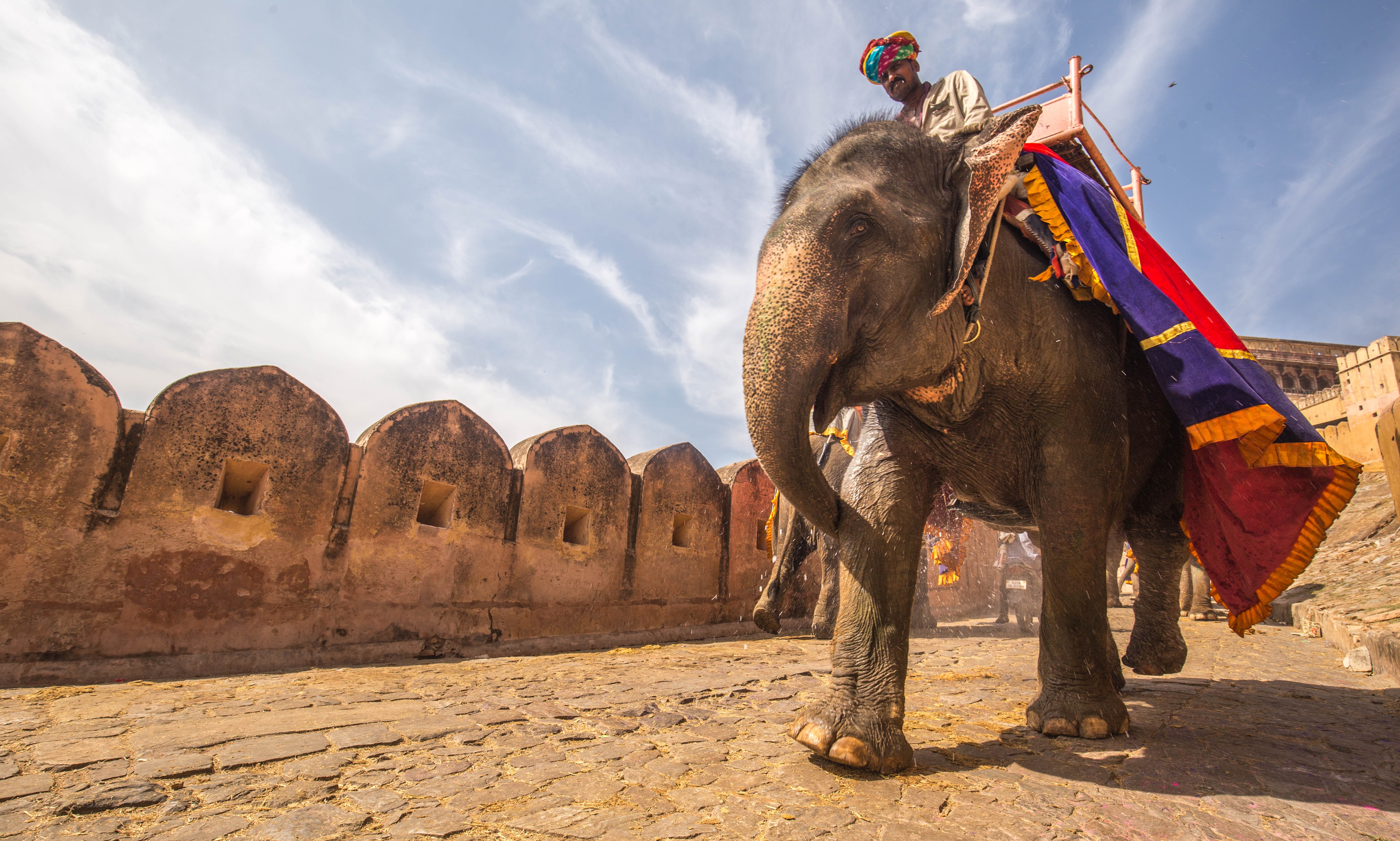
Chardham in Uttarakhand is one of the most revered piligrimage site for the devout Hindus.
Char Dham included representatives from all three major Hindu sectarian traditions, with two Shakti(goddess) sites, (Yamunotri and Gangotri), one Shaiva site (Kedarnath), and one Vaishnava site (Badrinath).
During the summer month, from the Holy day of Akshaya Tritiya till Diwali, these temples remain open to the devotees.
Thousand of devotees flock from all over the country to visit the Chardham for spiritual reasons.
However during the winter months, due to harsh snowy conditions these temples get closed. However the Puja of the deilties continue in their winter abodes. The deities of all these temples are taken down to near by villages, situated few thousands feet below their summer abode, and devotees can continue to visit them.
Visiting Mukhwa
Mukhwa village near Harsil situated at an elevation of 2620 meters becomes the winter abode of Maa Ganga. During the harsh winters at Gangotri which is at almost 11000 feet, when the main temple is closed, this village becomes the custodian of the deity. Mukhwa is primarily a village of the Pujaris of Semwal community who guards the deity and carries on the rituals for the 6 months in the winter.
These little villages in Uttarakhand are a true represantation of our rich heritage and our legacy of great hospitality.
I got the chance to visit the village, this summer, and I was completely moved not only by the astounding beauty of the sorrounding nature, but with the way they welcomed me and made me feel one of them. The way they feel proud of their age old customs and traditions, is something we all should learn. We all should learn how we can be proud of our heritage and legacy.
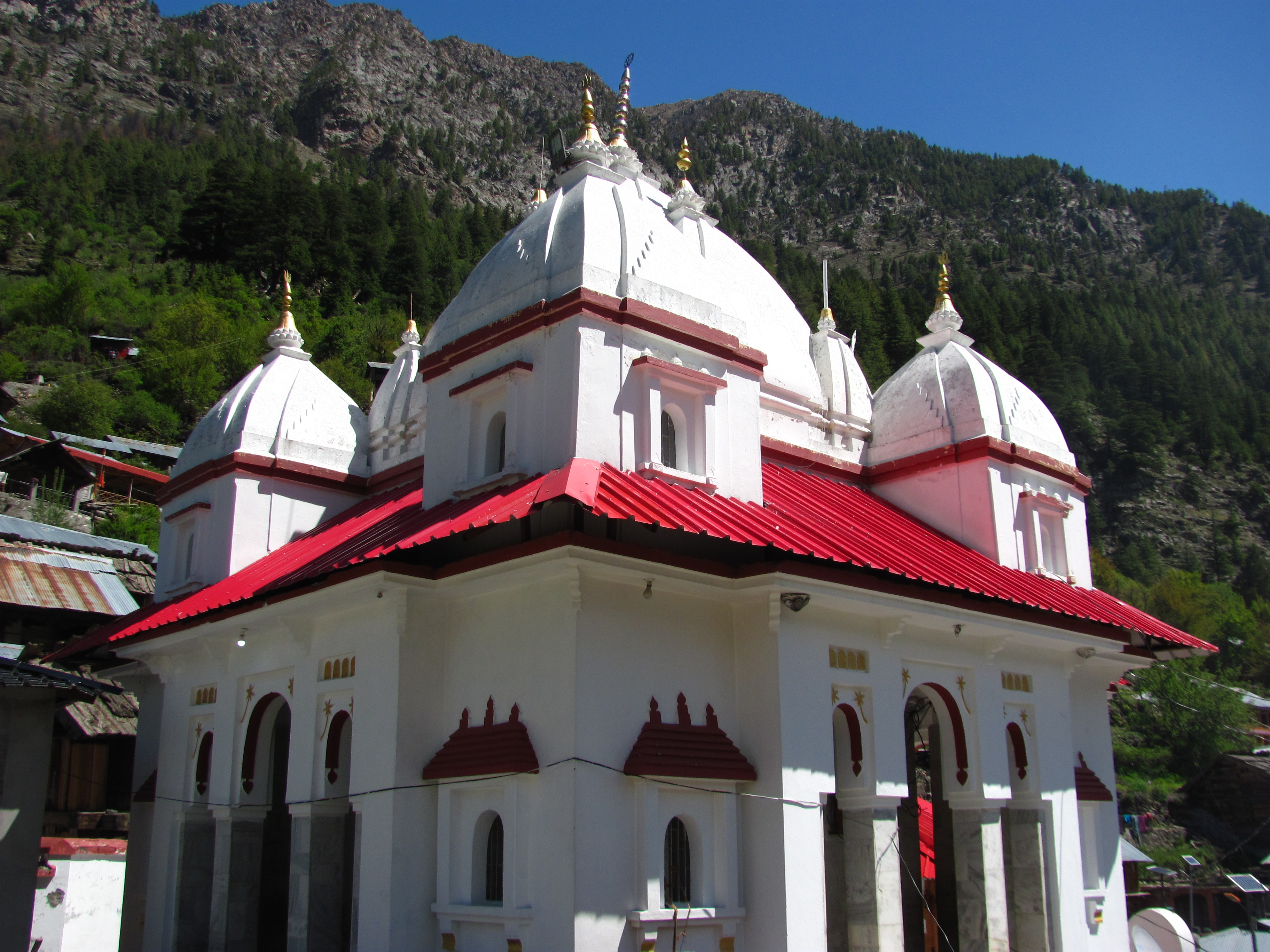
There’s a motorable road that climbs uphill from Harsil to Mukhwa and provides some majestic views of the Himalayan snowpeaks. The 6000 meter high Srikantha peak, stands tall on the backdrop of Mukhwa, and looks like the Sentinel of Maa Ganga.
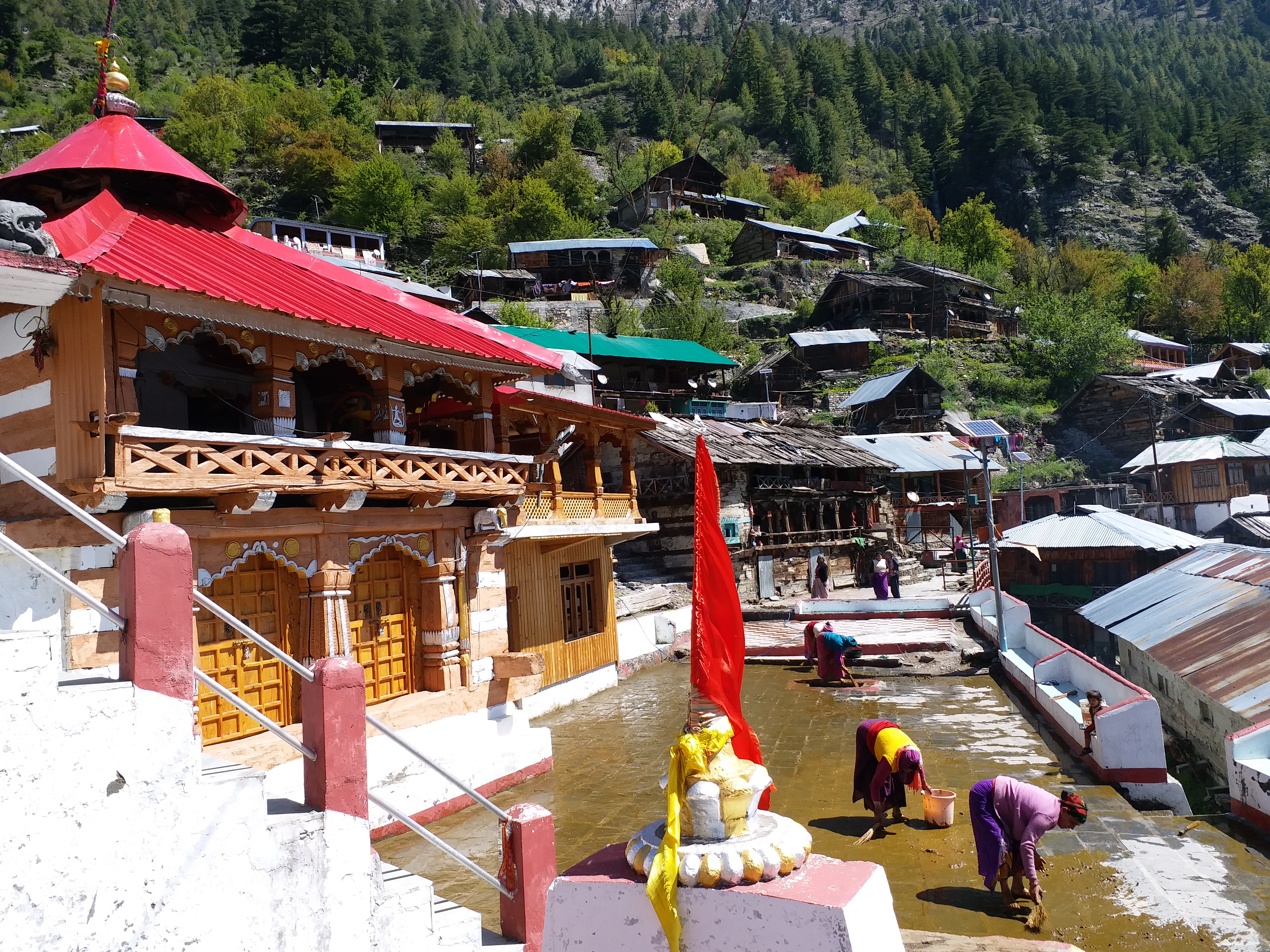
We visited Mukhawa couple of days ahead of Akshaya Tritiya. When we reached Mukhwa, it was getting ready for the ‘Ganga Maata ki Doli Yatra’ for the next day. Every year, on the auspicious day of Akshaya Tritiya the deity is taken back to its summer abode – Gangotri temple for the next 6 months. The village women were cleaning the temple complex and were mopping cow dung on the temple courtyard – a ritual still followed in rural India on festive occasions.
When we arrived at the village the villagers greeted us in open arms, they made seating arrangements for all of us. They provided us cool drinking water. We chatted long with the locals about the history of the place, about the Ganga Maata Doli Yatra, the apple cultivation on Harsil and Mukhawa and their economy. The discussions really provided an insight into their lifestyles in these remote parts of Himalaya.
We were fortunate enough to be present during the Ganga Aarti. The pujari performed the aarti with all its devotion, we had a darshan of Maa Ganga from so close that we really felt blessed. We were the only tourists that day in Mukhwa , and to be present in the aarti along with the villagers in Mukhwa made us feel a part of them, a part of their tradition.
Ganga Maa Ki Doli
Next day we once again gathered ourselves at Mukhwa village. However this time our route was different. We trekked to Mukhwa village from Dharali, like the local villagers. There is a hanging bridge over Bhagirathi at Dharali, which we crossed, and then trekked our way through the apple orchards.
The trek route is steep however short, and as usual provided some majestic view of Snow mountains around Dharali and the gorgeous Bhagirathi Below.
Mukhwa village was in complete festive mood on that day. Ganga Maa was getting ready for her journey behind closed door, however the place was brimming with pilgrims and locals from nearby villages. Everyone was greeting each other, it was like a festival of community building. The priests from Gangotri temple was also present at Mukhwa that day. The Mahar regiment of Indian army also participated on that festival by sending their band who played gorgeous music on the occasion.
In fact the little time I have spent in Harsil and Mukhawa I have realized, how the Indian army has blended themselves perfectly with the local people and their culture. The local people also respect the army tremendously, they believe the army by protecting the border in a way is preserving their lifestyle, their existence.
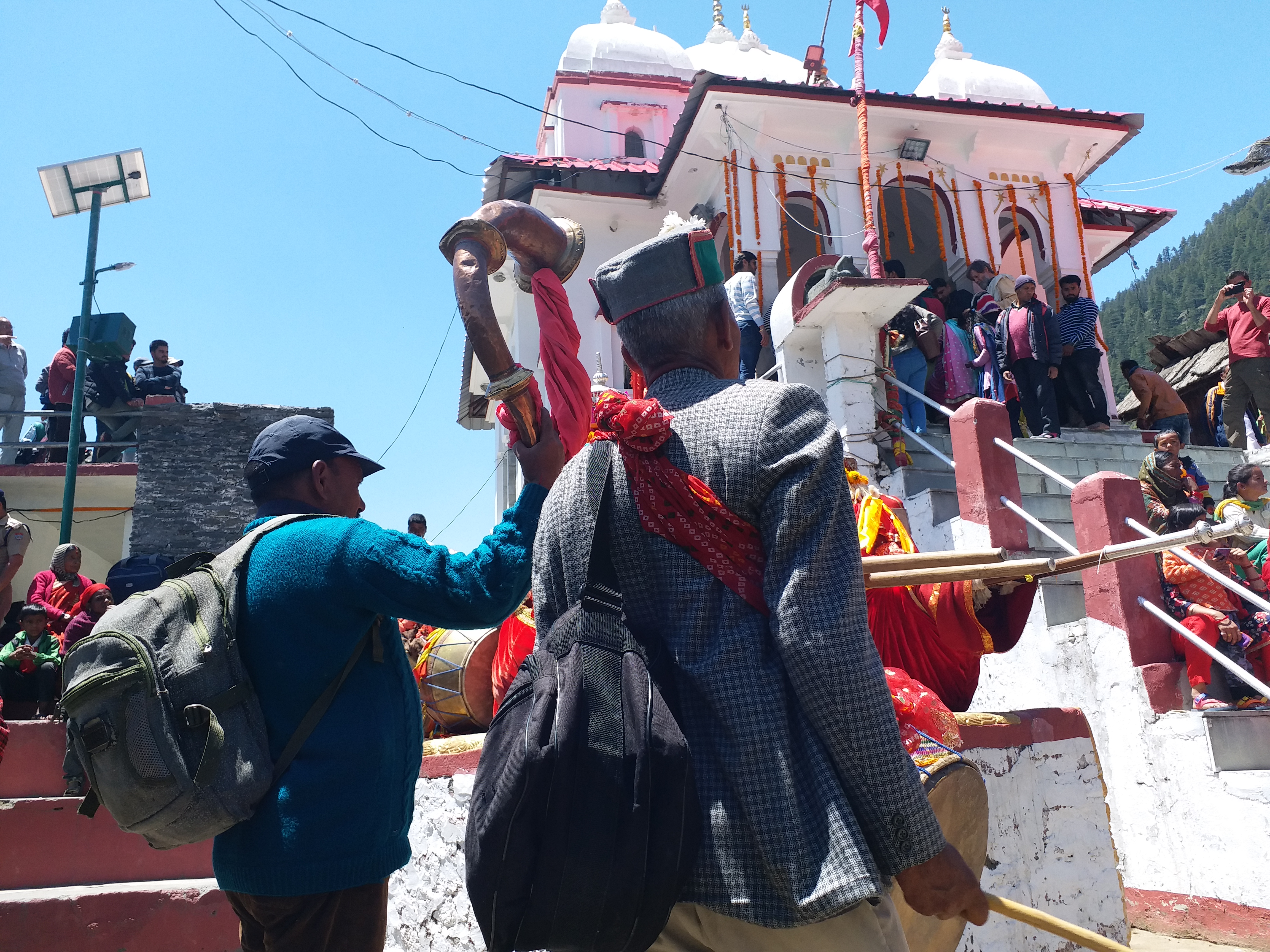
There is a tradition of dancing with the doli performed by the local performers which was really unique. Not only dance, lot of local musicians where also present in that place, and where playing their Dhols and Nagaras which elevated the festive mood. At the auspicious time of 12.35 p.m Ganga Maa came out in her Doli to start her journey towards Gangotri. As she came out the place busted with excitement and holi chants. We all touched the doli to seek her blessing, and then the procession left the temple premises and continued through the lanes of Mukhwa village towards Gangotri. A lot of villagers followed the doli yatra, and will walk a long way through the mountains, until the Doli reaches its summer Shrine Gangotri.
The deity will be kept at Bhaironghati temple on that evening before moving it to Gangotri temple on the day of Akshaya Tritiya. Experiencing the festval was experiencing Vijaya Dashami, when the villagers of Mukhwa send a colourful farewell to their daughter Maa Ganga. It will be a wait of 6 months before their daughter will once again come back to her winter abode.
This age old temple at Mukhwa is a perfect example of the rich cultural and architectural legacy of India. Let’s protect them, respect them, be proud of them and showcase them to outside world. It’s a place to come for meditation, prayer & soul-searching . Come here for understanding the real India.
 Maa Tujhe Salaam